
New IBC lubricant supply package strengthens delivery options across the US Gulf Coast
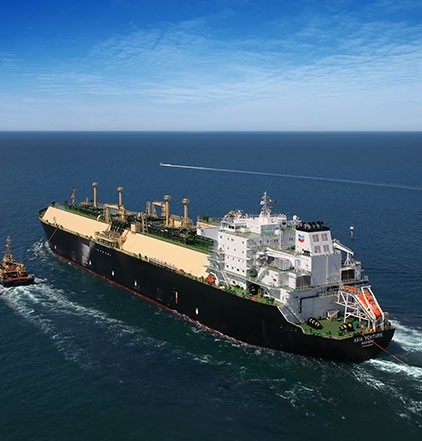
Chevron Marine Lubricants has introduced a new intermediate bulk container (IBC) lubricant supply capability on the Texas coast, simplifying the supply chain to meet the evolving needs of LNG and LPG carriers in the region.
The US Gulf Coast is experiencing a period of significant growth in liquefied natural gas (LNG) and liquefied petroleum gas (LPG) operations. Three LNG plants are already in operation along the Neches River, with the Cheniere facility in Sabine Pass continuing to expand to become the largest on the Gulf Coast. The Golden Pass LNG plant, located just south of Port Arthur, is expected to begin operations in 2026, and another facility has been permitted to start construction in 2027. According to the Sabine Pilots, the organization responsible for guiding vessels through the Sabine-Neches Waterway, as many as five LNG carriers per day are expected to be calling at facilities on the Neches River by early 2027. That figure does not include LPG traffic, which currently averages around two vessels per day and is also growing.
This expansion is increasing demand for a reliable lubricant supply in the region. Many of the ports serving these LNG and LPG carriers have restrictions that prevent vessels from receiving bulk lubricant deliveries at the dock. Until recently, that meant customers at these locations had to purchase main engine oils in drums, which involves more complex logistics and an increase in waste materials.
To address these challenges, Chevron Marine Lubricants has introduced a new IBC supply package at its delivery agent facilities on the Texas coast. Operational since March 2026, the package offers 1,000 litre IBC supply covering a broad cross section of Chevron’s marine engine oil portfolio. Products available through the service include the Taro® Ultra cylinder lubricant range, which is designed for the latest generation of two-stroke engines running on low-sulphur fuels in line with IMO 2020 requirements, as well as the Taro DP and Taro XL lines. Crankcase lubricants from the Veritas® 800 Marine series, which is formulated for large low-speed two-stroke engines operating under all fuel types and conditions, are also available. While the service is open to all customers, it is expected to be of particular value to operators that call at ports with bulk delivery restrictions.
“Chevron has seen an opportunity to improve the quality and convenience of lubricant supply on the US Gulf Coast, especially in response to an increase in vessel traffic.” says Steven Windels, Global Marine Lubricants Supply Chain Manager at Chevron.
“The introduction of IBC supply is a good example of how we listen to what our customers need and then build out a supply programme that serves them best. It is a straightforward improvement, but one that will make a real difference to day-to-day operations for many of our customers.”
This initiative sits within a broader effort by Chevron Marine Lubricants to invest in its supply chain infrastructure across the US Gulf Coast. In 2022, Chevron expanded its collaboration with Belle Chasse Marine Lubricants, which serves as its delivery agent for ports along the Texas coast as well as in the New Orleans area and Panama. Based out of the Port of Houston, Belle Chasse provides dockside and offshore lubricant deliveries, with supply trucks running from its lubricants blend plant in Houston.
Belle Chasse has begun construction on a new vessel, a sister to the Gordon K, which is expected to be completed by the end of 2026. The plan is to position the new vessel on the Neches River, placing it at the heart of the expanding LNG corridor between Sabine Pass and Port Arthur. The LNG and LPG plants along the Neches River are located between four and twelve nautical miles from the Sabine Pass Anchorage, making a dedicated supply vessel a valuable addition to the delivery network in the area.
“There is substantial potential for future growth in LNG and LPG traffic on the Neches River,” adds Windels. “By combining new packaging formats like the IBC with expanded vessel capacity through our partners, we are making sure that our customers have reliable access to the lubricants they need, regardless of where or how their vessels are being supplied.”
As more LNG and LPG capacity comes online across the Gulf Coast, and vessel traffic continues to increase, the ability to offer flexible, efficient delivery options will remain an important part of how Chevron supports its customers.
Find out more about Chevron’s port locations.


